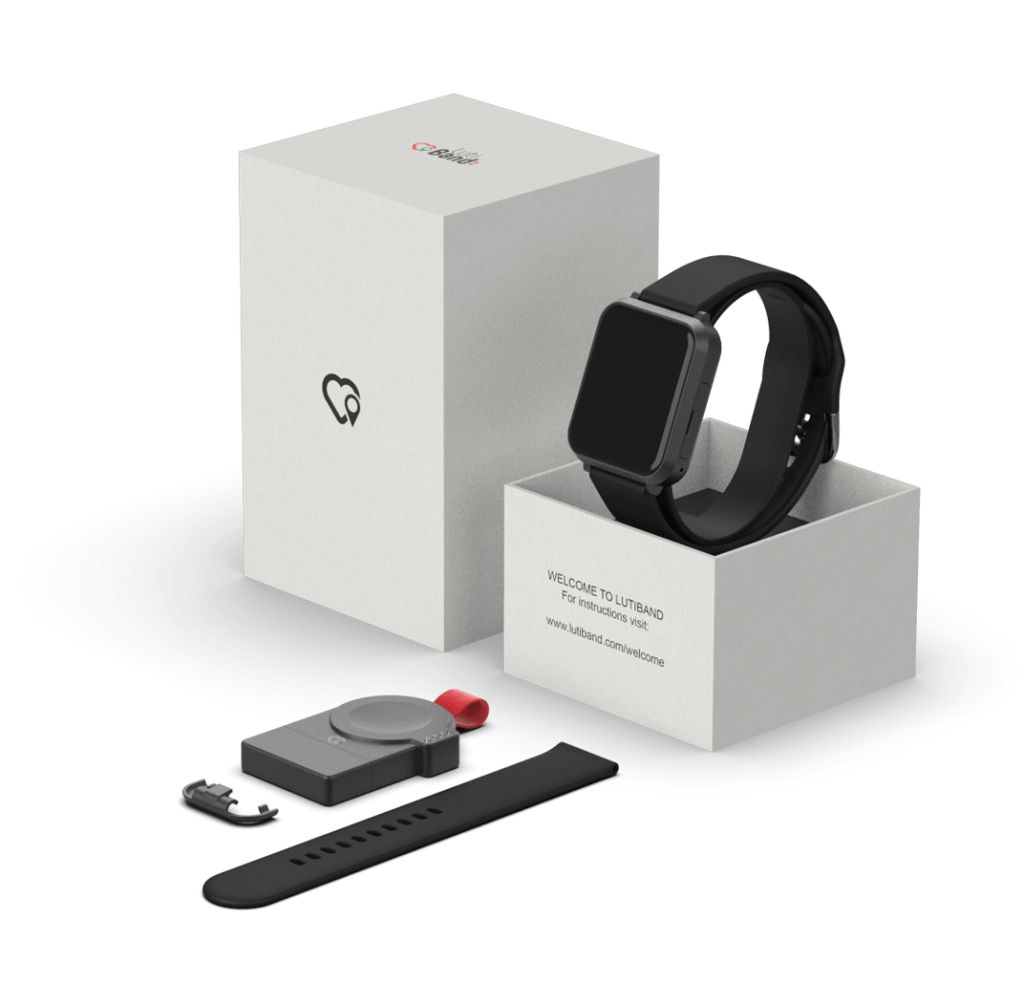



















I love to wear my LutiBand whenever I go cycling or running. I don’t have to worry about an ID and I know that if something was to happen to me - I’m a single press from getting help and if I’m knocked unconscious, an emergency responder will know who I am and easily contact my family member.

I define myself as a citizen of the world, my great pleasure is traveling. As such I enjoy having a device that is there to help me in case of an emergency, in any part of the world. It’s incredible.

I’m a paramedic and saw the benefits of LutiBand immediately, not only for those that wear it, but for their family and those that attend to people needing medical attention. This device can show me their medical information and vital signs - I have never seen a product like this one. I was impressed, you have my full support.

My mother is an elderly person and I worry not knowing where she is and if she’s feeling well. With Lutiband, not only do I know where she is, but I can know how she feels by receiving regular updates about her vital signs, impressive!!

I suffer from a heart ailment and I rest assure knowing that in a moment I can communicate with emergency services and alert my wife that I’m in need of help. I do this by pressing a single button and in an instant everyone knows where I am. This gives me peace of mind.

Awesome device. My dad has dementia and knowing when he leaves the house and where he is at all times is incredible.